

Aircraft components for sale
- Buffalo
- 2026-06-15 18:39
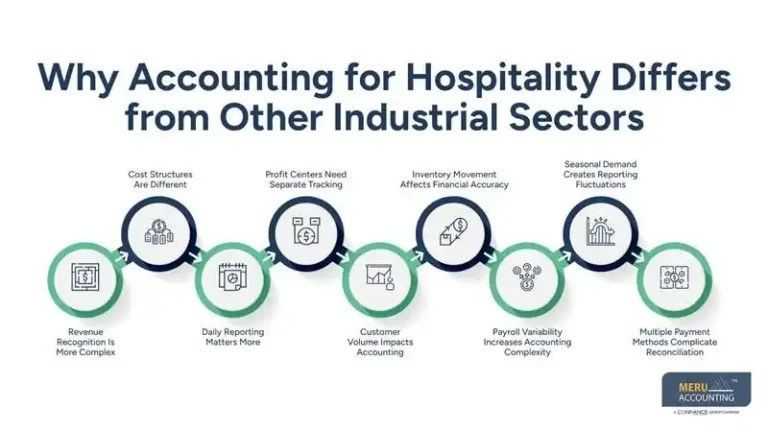
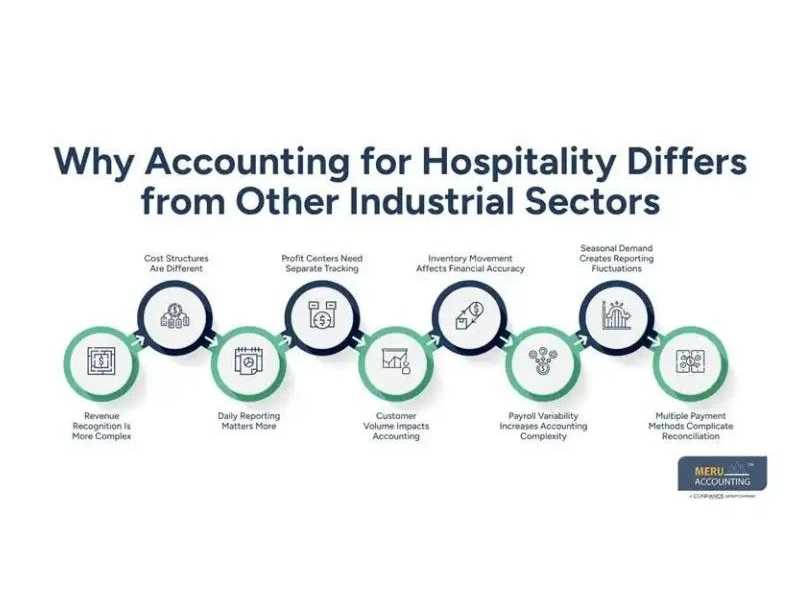
Accounting for hospitality involves managing the financial operations of businesses such as hotels, restaurants, resorts, and travel services. Due to high transaction volumes and diverse revenue streams, hospitality accounting requires specialized processes to ensure accuracy, profitability, and compliance.
What Is Accounting for Hospitality?
Accounting for hospitality focuses on tracking daily revenues, expenses, inventory, and operational costs across multiple departments. It ensures that financial data reflects real-time performance, helping businesses maintain control over their finances.
Key Components of Hospitality Accounting
Unique Challenges in Hospitality Accounting
Benefits of Effective Hospitality Accounting
How Accounting for Hospitality Works
Technology in Hospitality Accounting
Modern hospitality businesses use cloud-based accounting software and integrated systems like POS and property management tools. These technologies enable real-time tracking, automation, and improved accuracy.
Why Hospitality Businesses Need Specialized Accounting
Hospitality businesses operate in a fast-paced environment with complex financial structures. Specialized accounting ensures proper tracking, better decision-making, and efficient resource management.
Conclusion
Accounting for hospitality is essential for maintaining financial control in a dynamic and competitive industry. By implementing structured accounting practices and leveraging technology, hospitality businesses can improve efficiency, enhance profitability, and ensure long-term success.
Meru Accounting understands the financial structure of hospitality businesses. Our team supports hotels, restaurants, resorts, and related businesses with accounting services designed for industry needs.











 Australia
  Canada
  India
India  Singapore
  South Africa
  United Arab Emirates
  United Kingdom
  United States