

Best Biotin Gummies for Hair | Th...
- Mumbai
- 2026-04-23 12:32


In today’s fast-paced lifestyle, stress has quietly become one of the biggest triggers for many health problems. While people often associate stress with mental exhaustion, headaches, or sleep issues, it can also deeply affect digestive health. Many patients visiting a stomach hospital near me or searching for a liver specialist doctor near me are surprised to learn that long-term stress can actually contribute to serious digestive disorders.
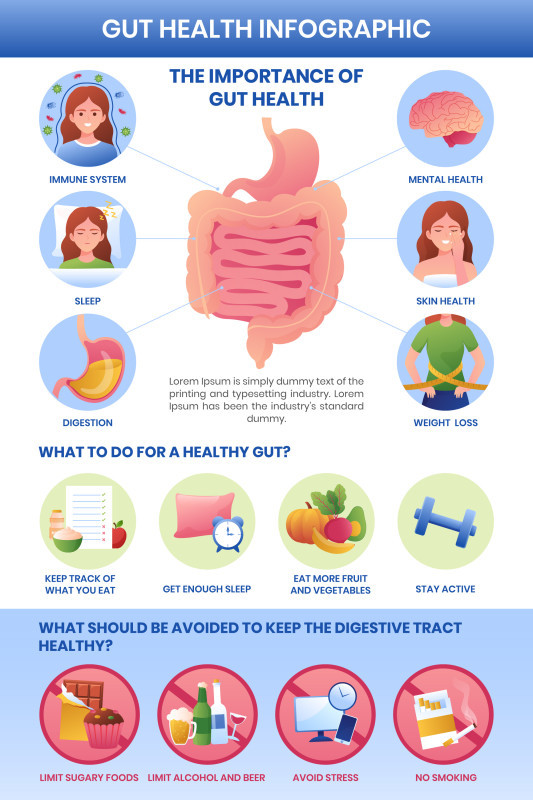
The digestive system and the brain communicate constantly through the gut-brain axis. When a person feels stressed, anxious, or emotionally overwhelmed, the brain sends signals that can disrupt normal digestive functions.
Stress hormones such as cortisol and adrenaline may cause:
Slower digestion
Increased stomach acid
Intestinal inflammation
Changes in gut bacteria
Muscle spasms in the digestive tract
Over time, these changes can develop into serious digestive disorders that require medical attention from a liver specialist doctor near me or treatment at a specialized stomach hospital near me.
Stress alone may not always be the only cause of digestive diseases, but it can significantly worsen existing conditions or trigger symptoms.
Here are some common digestive problems linked with stress:
Stress can increase stomach acid production and weaken the lower esophageal sphincter. This can cause frequent heartburn, burning chest pain, and acid reflux.
IBS is strongly linked to emotional stress. Symptoms include:
Abdominal pain
Bloating
Diarrhea
Constipation
Many patients visiting a stomach hospital near me report that their IBS symptoms become worse during stressful periods.
Chronic stress may inflame the stomach lining, leading to gastritis. This condition causes nausea, stomach pain, and indigestion.
Long-term stress may indirectly affect the liver by altering metabolism, increasing unhealthy eating habits, and promoting inflammation. A dr liver specialist may evaluate liver health when digestive symptoms persist.
Stress can weaken the stomach's protective lining and worsen the effects of acid and bacteria, leading to ulcers that sometimes require gastroenterology surgical consultation.
Sometimes people ignore early digestive symptoms because they believe the issue is temporary. However, recurring symptoms may indicate stress-related digestive disorders.
Common warning signs include:
Frequent acidity or heartburn
Constant bloating or gas
Unexplained stomach pain
Changes in bowel habits
Loss of appetite
Nausea or vomiting
Persistent fatigue
Discomfort after eating
If these symptoms continue for several weeks, it is advisable to consult a liver specialist doctor near me or visit a stomach hospital near me for proper diagnosis.
When patients consult a dr liver specialist or a gastroenterology expert, doctors usually begin with a detailed health evaluation.
Diagnostic methods may include:
Blood tests to check liver function
Ultrasound of the abdomen
Endoscopy to examine the stomach lining
Stool tests for infection or inflammation
Liver enzyme tests
Gut health evaluation
These tests help determine whether symptoms are caused by stress alone or linked to conditions requiring gastroenterology surgical treatment.
Managing stress is one of the most important steps in preventing digestive problems. While medical care is essential in many cases, lifestyle improvements can significantly support recovery.
Helpful habits include:
Practicing relaxation techniques such as meditation or deep breathing
Maintaining regular meal times
Avoiding excessive caffeine and spicy foods
Exercising regularly
Getting adequate sleep
Limiting processed foods
Staying hydrated throughout the day
These changes can help stabilize digestion and reduce the risk of developing severe gastrointestinal conditions.
Many people delay medical consultation until symptoms become severe. However, early evaluation by a liver specialist doctor near me or a gastroenterology professional can prevent complications.
You should consider seeing a specialist if you experience:
Severe abdominal pain
Continuous acidity or indigestion
Sudden weight loss
Blood in stool
Persistent nausea
Difficulty swallowing
Long-term fatigue
In such cases, treatment from a dr liver specialist or advanced care at a stomach hospital near me may be necessary.


 Argentina
  Australia
  Belgium
  Canada
  Colombia
  France
  Germany
  India
India  Indonesia
  Ireland
  Malaysia
  Mexico
  New Zealand
  Philippines
  Poland
  Portugal
  Qatar
Qatar  Saudi Arabia
  Singapore
  South Africa
  South Korea
  Spain
Spain  Thailand
  Turkey
  United Arab Emirates
  United Kingdom
  United States
  Vietnam