

Spine Care
- New York City
- 2026-06-13 03:16
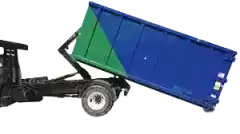
Construction and demolition debris, commonly called C&D waste, represents one of the largest waste streams in the United States by volume. Concrete, wood, drywall, metal, asphalt, and insulation materials make up the bulk of what's generated on active job sites. Traditionally, much of this material went straight to the landfill, but the construction industry is increasingly recognizing that a large percentage of C&D debris can be recovered and recycled. Investing in a structured C&D recycling dumpster rental program is how forward-thinking contractors are turning a disposal expense into a competitive and environmental advantage.
Contrary to popular belief, a wide range of construction and demolition materials are suitable for recycling when properly sorted. Clean concrete and masonry can be crushed into aggregate. Metal framing, pipes, and fasteners have strong recycling market value. Clean wood waste can be chipped into mulch or processed into particleboard. Drywall can be processed back into gypsum for new wallboard manufacturing. Cardboard packaging and pallets can be baled and sold to paper mills. A well-executed C&D recycling dumpster rental program uses source-separated containers to capture each of these streams, making recovery practical without dramatically slowing job site operations.
Successful C&D recycling starts with planning, not improvisation. Before your project begins, work with your rental provider to identify which material types will be generated and which streams have viable recycling pathways in your area. Set up clearly labeled separate containers at strategic points around the site. Designate one crew member per phase as the waste coordinator responsible for ensuring materials go into the correct container. Brief all subcontractors on the separation requirements before they start work, since their compliance is just as critical as your own crew's.
LEED certification and similar green building standards award points for construction waste management, specifically for the percentage of project debris diverted from landfill disposal. In many certification tracks, achieving a high waste diversion rate requires documentation of recycled tonnage by material type, which your C&D recycling dumpster rental provider can help you compile. Contractors who build C&D recycling competency into their standard operations are better positioned to take on LEED and green building projects, a growing and premium segment of the construction market.
Even outside of LEED certification, C&D recycling makes financial sense. Landfill tipping fees continue to rise in most markets. Recyclable materials, particularly metals and clean concrete, can offset disposal costs or generate modest revenue. And increasingly, project owners and developers are requesting sustainability documentation from their contractors as standard practice. Contractors who can demonstrate responsible waste management practices win more bids and retain clients who value those capabilities.
Conclusion
A C&D recycling dumpster rental program is one of the most practical ways for construction companies to improve their environmental performance, reduce disposal costs, and position themselves for premium project opportunities. It requires upfront planning and crew training, but the operational systems become routine quickly. The businesses leading in sustainable construction today built that capability by starting with something as straightforward as separating their job site waste.







 Australia
  Canada
  India
India  Singapore
  South Africa
  United Arab Emirates
  United Kingdom
  United States