

500 Hour Yoga Teacher Training Co...
- Rishīkesh
- 2026-05-09 11:50


Many people ignore early digestive symptoms and only start searching for a liver specialist doctor near me or a stomach hospital near me when the condition becomes severe. However, digestive disorders often develop slowly due to everyday habits. Understanding how modern lifestyle affects digestion can help prevent serious health complications.
Our digestive system works best when we follow a balanced routine. Unfortunately, modern routines disrupt this natural balance.
Several lifestyle habits directly impact gut health and liver function:
Eating processed and junk foods regularly
Skipping meals or eating at irregular times
Excessive consumption of caffeine and sugary drinks
Sitting for long hours without physical activity
Chronic stress and poor sleep patterns
These habits weaken digestion and increase the risk of conditions like acid reflux, irritable bowel syndrome (IBS), gastritis, and fatty liver disease. In many cases, patients eventually require consultation with a dr liver specialist or treatment in a gastroenterology surgical department.
Modern lifestyle habits are strongly linked to many digestive conditions.
Frequent consumption of oily food, spicy meals, and carbonated drinks increases stomach acid production. Over time, this can lead to acid reflux or GERD (Gastroesophageal Reflux Disease).
Symptoms include:
Burning sensation in the chest
Sour taste in the mouth
Frequent burping
Discomfort after meals
If untreated, chronic acidity can damage the esophagus and stomach lining.
Fatty liver is becoming extremely common, especially among young adults. Poor diet, obesity, alcohol consumption, and lack of exercise are major causes
When fatty liver progresses, patients may start looking for a liver specialist doctor near me to understand treatment options.
Stress and irregular eating habits can disrupt gut function. IBS is a common digestive disorder linked to modern lifestyle stress.
Common symptoms include:
Abdominal cramps
Constipation or diarrhea
Gas and bloating
Feeling of incomplete bowel movement
IBS is not life-threatening but can significantly affect daily life.
Gastritis refers to inflammation of the stomach lining. Frequent intake of spicy food, smoking, alcohol, and painkillers can trigger this condition.
Symptoms may include:
Stomach burning
Nausea
Loss of appetite
Upper abdominal pain
Early treatment at a stomach hospital near me can prevent long-term damage.
Mental stress has a direct connection with digestive health. The gut and brain communicate through the gut-brain axis. When stress levels increase, digestion becomes slower and less efficient.
Stress-related digestive problems may include:
Loss of appetite
Increased acidity
Irritable bowel syndrome
Frequent stomach discomfort
People living in fast-paced urban environments often experience digestive disorders due to continuous pressure and lack of relaxation.
Digestive disorders often begin with mild symptoms that gradually worsen. Ignoring these signs can lead to serious complications requiring gastroenterology surgical intervention.
Watch for these warning signals:
Persistent stomach pain
Unexplained weight loss
Chronic acidity or heartburn
Frequent vomiting or nausea
Yellowing of skin (possible liver issue)
Continuous bloating after meals
If these symptoms appear regularly, consulting a dr liver specialist or visiting a stomach hospital near me is strongly recommended.
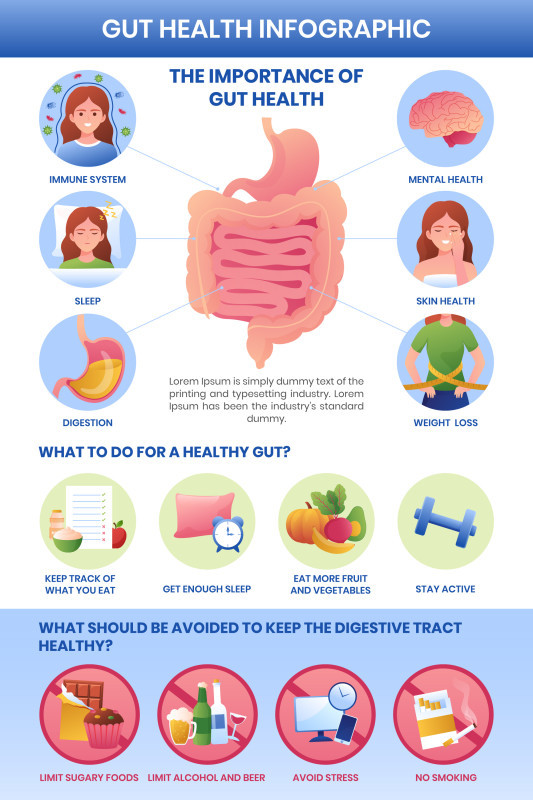
Preventing digestive disorders does not always require complex treatments. Small changes in daily routine can significantly improve gut health.
Eat meals at regular times
Include fiber-rich foods such as fruits and vegetables
Drink enough water throughout the day
Limit processed and fried foods
Exercise for at least 30 minutes daily
Manage stress through meditation or relaxation techniques
Avoid overeating late at night
Maintaining these habits can reduce the risk of major digestive conditions and improve overall health.
Medical experts in gastroenterology surgical fields emphasize early testing for digestive symptoms. Liver health tests, endoscopy, ultrasound, and blood tests can help identify problems before they become serious.
People experiencing persistent digestive issues should consider consulting a liver specialist doctor near me or visiting a stomach hospital near me for proper evaluation and guidance.




 Australia
  Canada
  India
India  Singapore
  South Africa
  United Arab Emirates
  United Kingdom
  United States