

Top Hair Salon Services in Shahda...
- Delhi
- 2026-05-02 11:49


Many people begin to notice subtle changes in their health after the age of 30. One of the most important yet often ignored areas is digestive health. Your digestive system works hard every day to break down food, absorb nutrients, and remove waste. However, as the body ages, certain internal processes begin to slow down, which can affect how efficiently your digestive system works.
This is why many people start searching for a liver specialist doctor near me, a dr liver specialist, or even astomach hospital near me when digestive discomfort becomes frequent. Understanding how digestion changes after 30 can help you take preventive steps and maintain a healthy gut.
Your body undergoes several physiological changes as you grow older. Hormonal shifts, lifestyle habits, stress, and reduced metabolism can all influence digestive health.
Here are some common internal changes that occur after 30:
Slower metabolism compared to younger years
Reduced production of digestive enzymes
Changes in gut bacteria balance
Increased risk of fatty liver and liver inflammation
Higher chances of acidity and acid reflux
Gradual decline in stomach acid production
These changes do not happen overnight, but they slowly affect how your body processes food.
After the age of 30, people may start experiencing digestive issues that were rare during their younger years.
Frequent acidity is one of the most common digestive complaints. Spicy food, irregular eating habits, and stress can trigger acid reflux.
Non-alcoholic fatty liver disease is increasingly common among adults. It occurs when excess fat accumulates in liver cells. Consulting a dr liver specialist early can help manage the condition before complications develop.
Slower digestion can lead to bloating, discomfort, and excessive gas after meals.
Reduced fiber intake, dehydration, and sedentary lifestyles contribute to constipation after 30.
Gallstones and gallbladder inflammation become more common as people age.
In many cases, patients initially ignore symptoms until they become severe, eventually leading them to search for a stomach hospital near me or consult a gastroenterology surgical expert for proper diagnosis.
The liver is one of the most important organs involved in digestion. It produces bile, which helps break down fats and supports nutrient absorption.
When liver function becomes weak, it can affect the entire digestive process.
Signs that your liver health may need attention include:
Persistent fatigue
Frequent indigestion
Yellowing of eyes or skin
Unexplained weight gain or loss
Upper abdominal discomfort
If these symptoms appear frequently, consulting a liver specialist doctor near me is recommended for proper evaluation.
Modern lifestyles often contribute to digestive problems. Many habits that seem harmless can slowly damage gut health.
Common harmful habits include:
Eating late at night
Consuming highly processed foods
Excessive sugar intake
Lack of physical activity
Chronic stress
Poor sleep patterns
Excess alcohol consumption
Over time, these habits increase the risk of digestive disorders that may require treatment from a gastroenterology surgical expert.
Your body often sends early warning signals when digestion is not functioning properly. Ignoring these signs can lead to more serious conditions.
Watch for the following symptoms:
Persistent acidity
Severe stomach pain
Frequent bloating after meals
Unexplained weight changes
Loss of appetite
Blood in stool
Continuous nausea
If these symptoms persist, seeking help from a dr liver specialist or visiting a stomach hospital near me can help identify the root cause early.
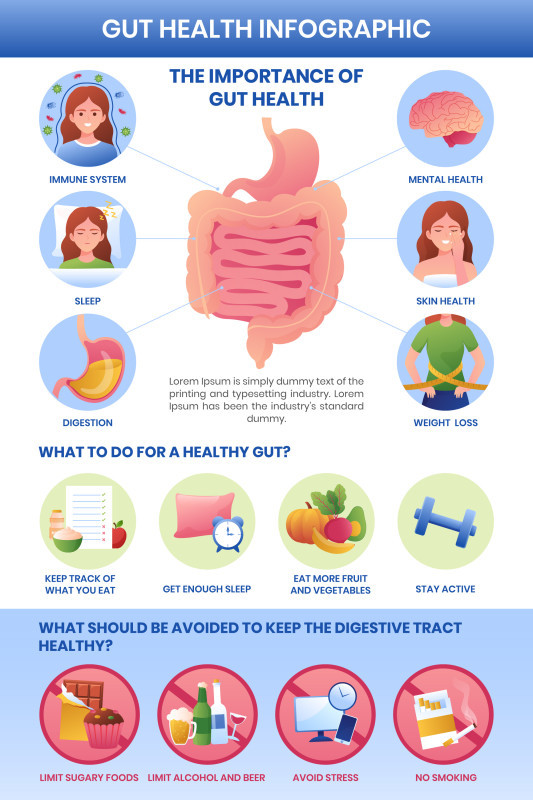
Fortunately, small lifestyle adjustments can significantly improve digestive health.
Eat balanced meals rich in fiber
Drink sufficient water daily
Avoid overeating and late-night meals
Include probiotics such as yogurt in your diet
Exercise regularly to improve metabolism
Reduce stress through meditation or relaxation techniques
Get routine health checkups for liver and digestive health
Preventive care is always better than waiting for symptoms to worsen.


 Australia
  Canada
  India
India  Singapore
  South Africa
  United Arab Emirates
  United Kingdom
  United States