

Free Estimate from a Certified Lo...
- Austin
- 2026-05-15 05:50
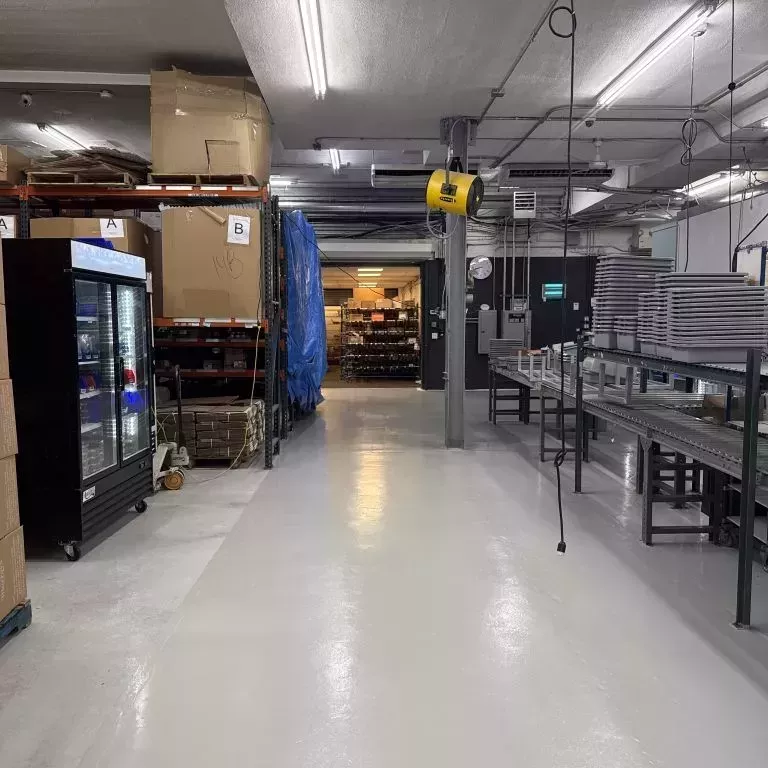
The architecture of a professional kitchen must balance extreme heat, high moisture, and the need for absolute sterility. Every material chosen for the construction must be able to withstand these conflicting forces without degrading. The floor, being the most abused surface in the building, requires a specialized engineering approach to remain functional.
Traditional concrete is naturally porous, meaning it absorbs liquids and oils like a sponge if left unprotected. This absorption leads to deep-seated stains and the growth of bacteria that are nearly impossible to remove with standard cleaning methods. A high-performance coating is necessary to seal the concrete and create an impenetrable barrier against liquid penetration.
Acoustics also play a role in the selection of flooring materials. While kitchens are naturally loud environments, certain flooring systems can help dampen the sound of footsteps and clanking equipment. This creates a slightly more comfortable environment for the staff, which can help reduce stress during peak hours of operation.
Urethane cement is the industry leader for a reason, as it offers a unique combination of strength and flexibility. It is thick enough to smooth out imperfections in the underlying concrete while providing a finish that is tougher than the stone itself. This material is specifically designed for the "no-fail" environments found in hospitals, schools, and large-scale restaurants.
UtilizingCommercial kitchen flooring techniques ensures that the surface remains intact even when heavy ovens are moved or large pots are dropped. The impact resistance of these coatings is significantly higher than that of ceramic tile, which often cracks or chips under similar stress. This durability translates to fewer interruptions for repairs and a more consistent look.
The application process is highly technical and requires specialized equipment to achieve the desired results. Installers must carefully mix the components to ensure the chemical reaction occurs correctly, creating a bond that is essentially permanent. When done correctly, the floor becomes an integral part of the building's structure, providing a reliable surface for years to come.
In the densely populated areas of the Northeast, kitchen spaces are often compact and subjected to intense use. The high volume of customers served daily means that the infrastructure must be incredibly resilient. Finding a contractor that specializes in the local market is the best way to ensure that the flooring meets all regional safety and health expectations.
Working withCommercial kitchen flooring nj specialists allows business owners to tap into years of experience solving common facility issues. These professionals know exactly which systems work best for the local climate and the specific types of buildings found in the area. Their expertise prevents common mistakes that often lead to premature floor failure.
Moreover, local specialists are familiar with the schedules of busy restaurants and can often plan installations during off-hours. This flexibility is crucial for businesses that cannot afford to close for extended periods. A fast-curing urethane system can often be installed and returned to service in a matter of days, minimizing the impact on the company's revenue.
Maintaining a USDA-compliant kitchen is not just about the food; it is about the environment where that food is prepared. A seamless floor is a requirement for many high-level certifications because it proves that the facility can be effectively sanitized. These floors do not support the growth of fungus or mildew, which is essential for passing rigorous health inspections.
The chemical resistance of these floors also means they can withstand the strongest degreasers and sanitizers without losing their finish. Many cheaper coatings will dull or peel when exposed to industrial cleaning agents, but urethane cement remains unaffected. This resistance ensures that the floor continues to look professional and perform its safety functions regardless of the cleaning regimen.
Employee health is also protected by these systems. By providing a slip-resistant surface, employers demonstrate a commitment to their team's well-being. This can lead to higher staff retention and a more positive workplace culture. A clean, safe, and well-lit kitchen is a place where professional chefs can truly excel at their craft without distraction.
The selection of a commercial flooring system is a decision that affects every aspect of a kitchen's operation. By opting for durable, seamless, and slip-resistant materials, owners can protect their investments and their employees. Professional installation ensures that these systems meet all regulatory requirements, providing a solid foundation for a successful culinary enterprise.


 Australia
  Canada
  India
India  Singapore
  South Africa
  United Arab Emirates
  United Kingdom
  United States