

Brass Nut Manufacturer and Suppli...
- Jamnagar
- 2026-04-22 18:02


Digestive discomfort is one of the most common health problems people experience today. Gas, bloating, constipation, and acid reflux and heartburn may seem like separate issues, but in many cases they share a common root cause — an unhealthy digestive system. Understanding acid reflux and heartburn causes, symptoms and permanent solution is also important, as these conditions are often linked with poor digestion and lifestyle habits. Many individuals ignore these symptoms or rely on home remedies, assuming the condition will resolve on its own. However, persistent digestive problems may indicate deeper gastrointestinal or liver-related concerns that require medical attention.
When symptoms continue for weeks or months, many people start searching online for a liver specialist doctor near me or a stomach hospital near me to understand what is happening inside their body. Understanding the connection between these digestive symptoms can help people take the right steps toward recovery.
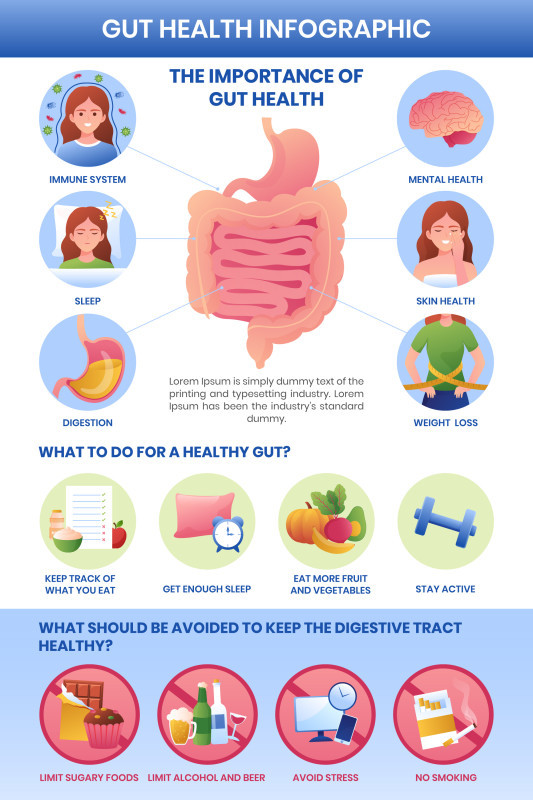
The digestive system works like a complex processing unit. It breaks down food, absorbs nutrients, and removes waste from the body. When this system becomes slow, inflamed, or imbalanced, several symptoms can appear together.
Gas, bloating, and constipation often develop when digestion becomes inefficient. This may happen due to lifestyle habits, poor diet, stress, or underlying conditions related to the stomach, intestines, or liver.
In many cases, doctors specializing in gastroenterology surgical treatments identify that these symptoms are interconnected rather than separate health problems.
Many people believe that gas or bloating simply comes from eating certain foods. While food choices do play a role, the deeper cause is usually poor digestion or slow bowel movement.
When food stays in the digestive tract longer than normal:
Bacteria ferment the food and produce excess gas
The abdomen becomes swollen or bloated
Stool becomes dry and difficult to pass
This chain reaction creates multiple symptoms that appear at the same time.
If these symptoms become frequent, consulting a dr liver specialist or gastroenterologist can help identify whether liver health, intestinal function, or gut bacteria imbalance is involved.
Several lifestyle and medical factors can lead to chronic gas, bloating, and constipation.
Modern diets often contain excessive processed food, sugar, and refined carbohydrates. These foods are difficult to digest and can disrupt gut health.
Fiber helps move food through the intestines. Without enough fiber, digestion slows down, leading to constipation and gas.
Water plays a critical role in digestion. Lack of hydration can cause stools to become hard and difficult to pass.
The gut and brain are closely connected. Chronic stress can slow digestion and increase digestive discomfort.
Conditions such as fatty liver disease, gastritis, irritable bowel syndrome, and intestinal infections may contribute to persistent symptoms.
This is why people experiencing long-term digestive problems often search for a liver specialist doctor near me or visit a stomach hospital near me for professional evaluation.
Occasional digestive discomfort is common, but certain symptoms require medical attention.
Watch for the following warning signs:
Frequent bloating after meals
Chronic constipation lasting more than two weeks
Severe abdominal pain
Unexplained weight loss
Nausea or vomiting
Blood in stool
Constant fatigue or weakness
When these symptoms appear, doctors trained in gastroenterology surgical treatments can perform tests such as endoscopy, ultrasound, or liver function tests to determine the underlying cause.
A dr liver specialist or gastroenterologist usually begins with a detailed medical history and physical examination. Depending on the symptoms, further tests may be recommended.
These may include:
Blood tests to check liver and digestive function
Ultrasound imaging of the abdomen
Endoscopy to examine the stomach and intestines
Colonoscopy for bowel health evaluation
Stool tests for infection or inflammation
These diagnostic tools help doctors identify whether the issue is related to diet, gut bacteria imbalance, intestinal blockage, or liver disease.


 Argentina
  Australia
  Belgium
  Canada
  Colombia
  France
  Germany
  India
India  Indonesia
  Ireland
  Malaysia
  Mexico
  New Zealand
  Philippines
  Poland
  Portugal
  Qatar
Qatar  Saudi Arabia
  Singapore
  South Africa
  South Korea
  Spain
Spain  Thailand
  Turkey
  United Arab Emirates
  United Kingdom
  United States
  Vietnam