

Best Digital Marketing Agency in...
- Bengaluru
- 2026-05-05 02:55


Your digestive system does more than just process food. It plays a central role in how energetic you feel, how well you sleep, and how strong your immune system is. When digestion is not working properly, it can quietly affect multiple areas of your health.
Many people ignore early digestive symptoms like bloating or acidity. Over time, these small issues can lead to bigger concerns, making people search for a liver specialist doctor near me, consult a dr liver specialist, explore gastroenterology surgical options, or visit a stomach hospital near me for proper diagnosis.
Understanding the connection between digestion, energy, sleep, and immunity can help you take better care of your body.
Your digestive system is responsible for breaking down food into nutrients that your body needs to function. These nutrients fuel your energy, repair tissues, and support immune defenses.
Key roles of digestion include:
Converting food into usable energy
Absorbing vitamins and minerals
Supporting hormone balance
Maintaining gut bacteria health
Strengthening immune response
When digestion is weak, your body does not receive the nutrients it needs, which directly affects your daily performance and well-being.
If you often feel tired even after eating, poor digestion may be the reason. When food is not properly broken down, your body struggles to absorb nutrients like iron, vitamin B12, and glucose.
This can lead to:
Constant fatigue
Low stamina throughout the day
Feeling sleepy after meals
Difficulty focusing
Weak physical performance
Instead of feeling energized after eating, you may feel heavy or sluggish. This is a sign that your digestive system is not functioning efficiently.
Digestion and sleep are closely connected. If your digestive system is disturbed, your sleep cycle can also be affected.
Poor digestion can cause:
Acid reflux at night
Discomfort or bloating while lying down
Frequent waking during sleep
Difficulty falling asleep
Restless or disturbed sleep
When the stomach is not at ease, the body remains in a state of discomfort, making it harder to relax and achieve deep sleep.
Late-night eating, irregular meal timing, and heavy meals can worsen these issues and disrupt your natural sleep rhythm.
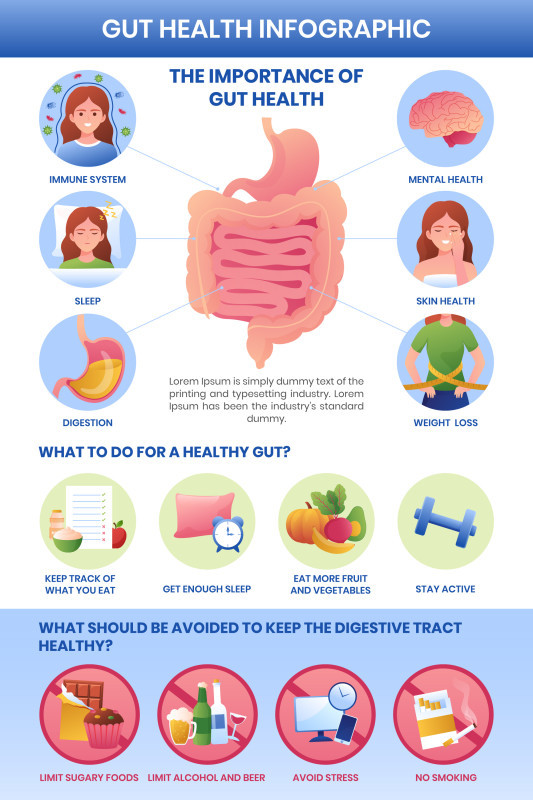
A large part of your immune system is located in your gut. Healthy digestion supports the balance of good bacteria, which helps fight infections and maintain overall health.
When digestion is poor, it may lead to:
Weak immune response
Frequent infections
Slow recovery from illness
Increased inflammation
Poor nutrient absorption
Your body depends on nutrients like zinc, vitamin C, and protein to build immunity. If digestion is weak, these nutrients are not absorbed effectively, reducing your body’s ability to protect itself.
Many people overlook the early warning signs of digestive problems. Recognizing these symptoms early can help prevent complications.
Common signs include:
Bloating and gas
Frequent acidity or heartburn
Constipation or irregular bowel movements
Feeling heavy after meals
Loss of appetite
Nausea or discomfort after eating
If these symptoms continue for a long time, they should not be ignored.
Ignoring digestive issues can lead to more serious health conditions over time.
Possible long-term effects include:
Chronic fatigue
Nutritional deficiencies
Sleep disorders
Weak immunity
Liver-related issues
Gastrointestinal disorders
In advanced cases, medical evaluation becomes necessary to prevent further complications.
Improving digestion does not always require complex treatments. Simple lifestyle changes can make a significant difference.
Healthy habits to follow:
Eat meals at regular times
Chew food slowly and properly
Avoid overeating
Stay hydrated throughout the day
Include fiber-rich foods in your diet
Reduce oily and processed foods
Avoid late-night heavy meals
Stay physically active
These small changes can improve digestion, boost energy, and enhance overall health.


 Australia
  Canada
  India
India  Singapore
  South Africa
  United Arab Emirates
  United Kingdom
  United States