

Chemistry Coaching Near Sector 89...
- Mohali
- 2026-04-21 15:37


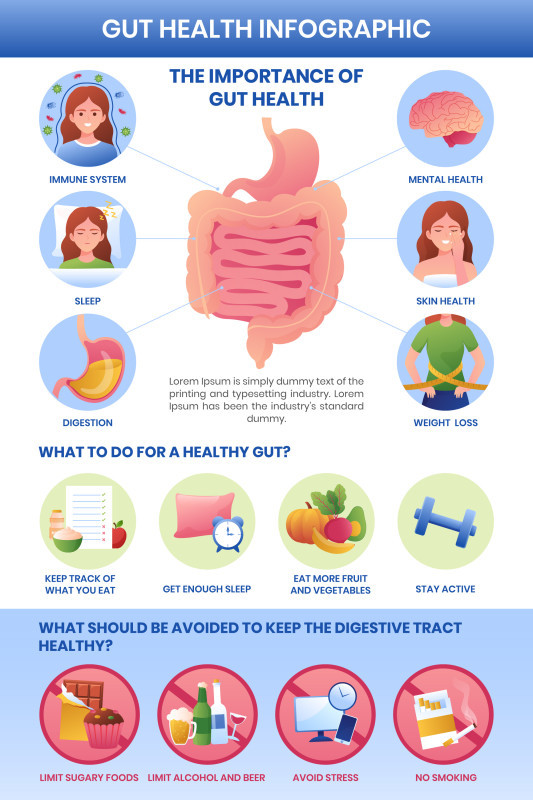
When your doctor orders a blood test, one of the most common results you see is liver enzymes. Many people panic when they notice words like ALT, AST, or ALP marked in red. But high liver enzymes do not always mean serious liver disease. Understanding what they really indicate can help you take the right action at the right time. The Gut Brain connection also plays an important role in overall digestive and liver health, as the gut and brain constantly communicate and influence digestion, metabolism, and inflammation in the body.
Liver enzymes are proteins that help your liver perform vital functions such as digestion, detoxification, and metabolism. These enzymes usually stay inside liver cells. When the liver is irritated, inflamed, or damaged, enzymes leak into the bloodstream, causing elevated levels in blood tests.
The most commonly tested liver enzymes include:
ALT (Alanine Aminotransferase) – closely linked to liver health
AST (Aspartate Aminotransferase) – found in liver and muscles
ALP (Alkaline Phosphatase) – related to bile ducts and digestion
GGT (Gamma-Glutamyl Transferase) – often linked with alcohol use or bile flow issues
High liver enzymes are a signal, not a final diagnosis. They tell doctors that something may be stressing your liver.
Common reasons include:
Fatty liver (very common today)
Excess alcohol intake
Viral hepatitis (A, B, or C)
Long-term use of painkillers or antibiotics
Obesity and poor diet
Digestive system disorders
Gallbladder or bile duct problems
Sometimes, enzyme levels rise temporarily and return to normal with lifestyle changes.
Many people with high liver enzymes feel completely normal. However, some may experience:
Constant tiredness
Bloating or gas
Loss of appetite
Mild stomach pain (right upper abdomen)
Yellowing of eyes or skin (in severe cases)
If these symptoms persist, visiting a stomach hospital near me or consulting a dr liver specialist is strongly recommended.
You should not ignore high liver enzymes if:
Levels stay high for more than 3 months
Enzyme values keep increasing
You have diabetes, obesity, or alcohol history
You experience digestive pain or jaundice
In such cases, a specialist trained in gastroenterology surgical care may suggest imaging tests, fibroscan, or further blood work.
A dr liver specialist or gastroenterologist does more than just read reports. They look at the full picture:
Medical history
Diet and lifestyle
Alcohol or medication use
Ultrasound or CT scan
Advanced liver function tests
Early diagnosis can prevent long-term damage such as cirrhosis or liver failure.
Yes, in many cases, liver enzymes can return to normal naturally with proper care.
Helpful steps include:
Reducing oily and processed foods
Avoiding alcohol completely
Drinking enough water
Managing weight
Exercising regularly
Taking medicines only as prescribed
However, self-treatment is not advised. Always consult a liver specialist doctor near me for the right guidance.


 Argentina
  Australia
  Belgium
  Canada
  Colombia
  France
  Germany
  India
India  Indonesia
  Ireland
  Malaysia
  Mexico
  New Zealand
  Philippines
  Poland
  Portugal
  Qatar
Qatar  Saudi Arabia
  Singapore
  South Africa
  South Korea
  Spain
Spain  Thailand
  Turkey
  United Arab Emirates
  United Kingdom
  United States
  Vietnam