

Elegant Quartz Countertops Lake F...
- Romeoville
- 2026-04-22 13:26


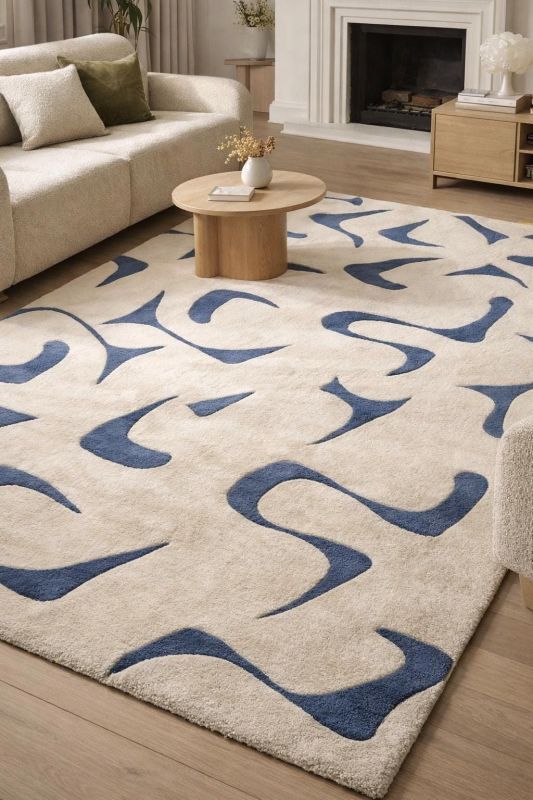
The global interior design landscape in 2026 has moved past “disposable decor.” Today’s homeowners and commercial designers are seeking pieces with a soul—items that tell a story of heritage while meeting the rigorous sustainability standards of the modern world. At the forefront of this movement is More Textiles, a name synonymous with quality, innovation, and ethical craftsmanship.
As one of the leading rug factories in India, More Textiles has transformed the traditional weaving landscape of Panipat into a global hub for high-end floor coverings. In this deep dive, we explore why India remains the world’s carpet capital and how More Textiles is setting new benchmarks for the industry.
For centuries, India has been a global powerhouse of handmade textiles. While technology has changed the way we communicate, the art of making a truly exceptional rug still relies on the human hand. India’s rug industry is a unique ecosystem where ancient techniques like hand-knotting and hand-tufting coexist with modern design sensibilities.
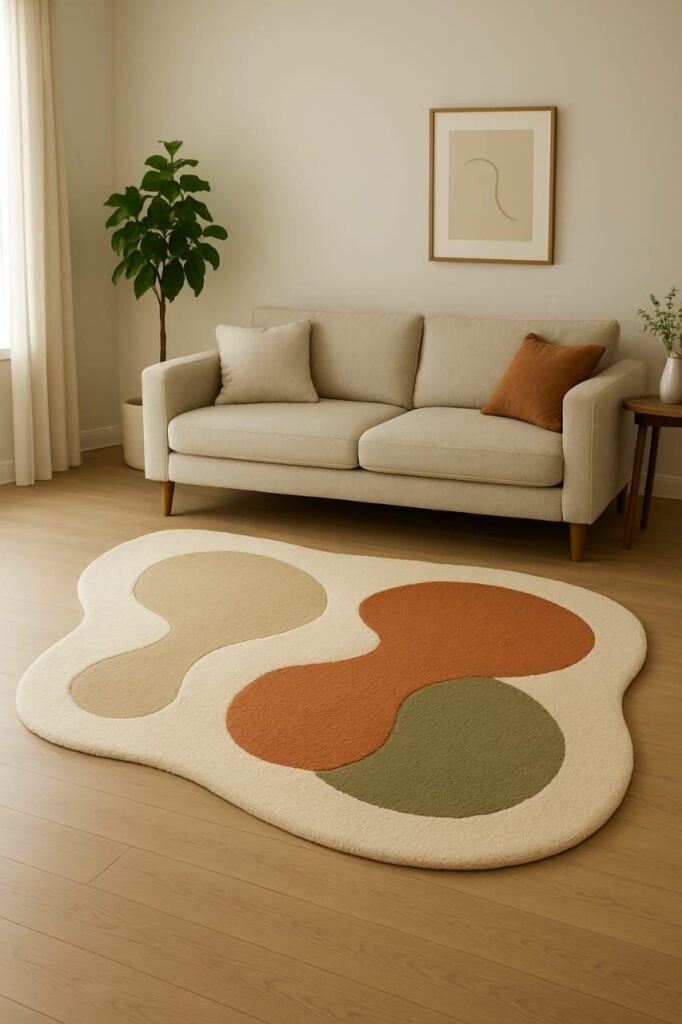
While cities like Bhadohi and Jaipur are famous for traditional patterns, Panipat—where More Textiles is based—has emerged as the leader in modern flatweaves, sustainable jute rugs, and contemporary hand-tufted designs. The region’s ability to adapt to rapid fashion cycles while maintaining artisanal integrity is why “Made in India” remains the gold standard for international retailers.
More Textiles isn’t just a manufacturer; it’s an export powerhouse. Being a Leading Rugs Factory in India, the company has spent years perfecting a vertical integration model that ensures every thread is accounted for.
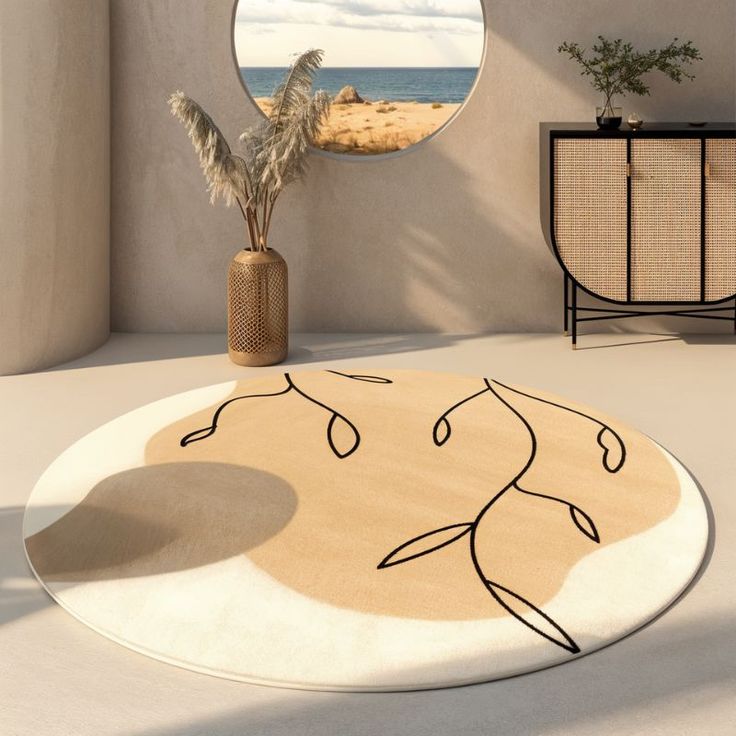
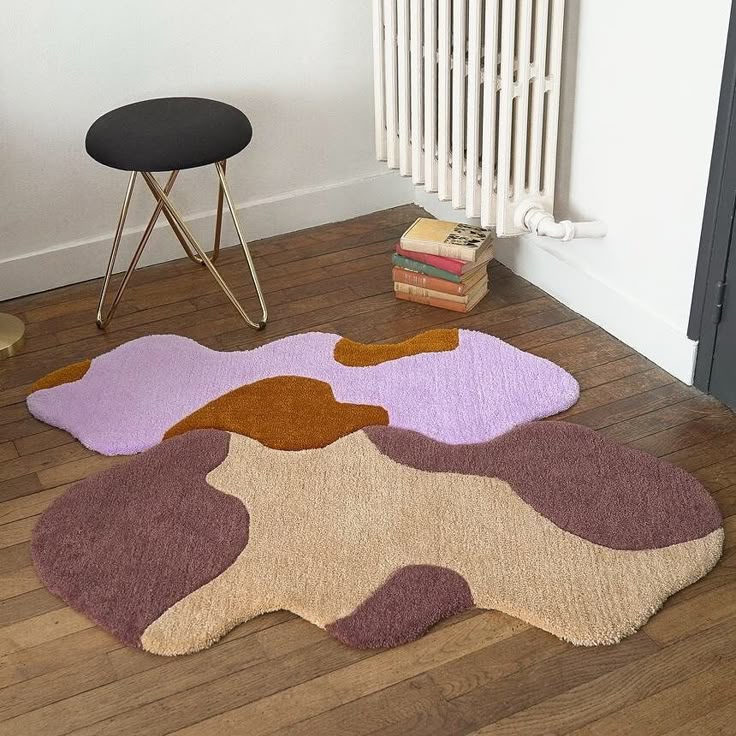
To stay at the top, a factory must anticipate the needs of the market. According to current 2026 design forecasts, several key trends are defining the industry:



 Argentina
  Australia
  Belgium
  Canada
  Colombia
  France
  Germany
  India
India  Indonesia
  Ireland
  Malaysia
  Mexico
  New Zealand
  Philippines
  Poland
  Portugal
  Qatar
Qatar  Saudi Arabia
  Singapore
  South Africa
  South Korea
  Spain
Spain  Thailand
  Turkey
  United Arab Emirates
  United Kingdom
  United States
  Vietnam