


Dental checkup Peoria, AZ
- Peoria
- 2026-06-22 04:31
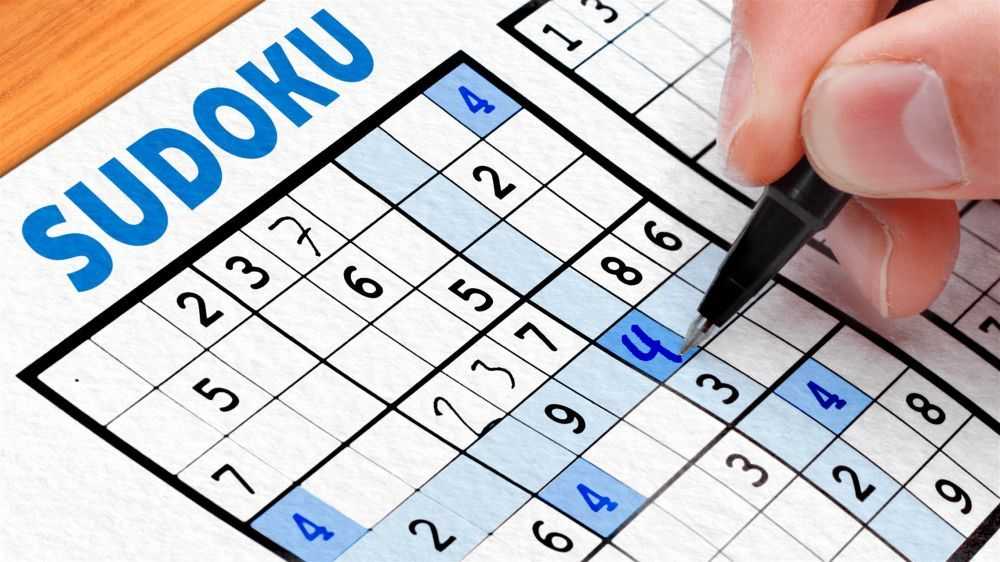
My first real experience with Sudoku was honestly confusing.
I remember opening a puzzle and thinking it looked simple enough. A grid of numbers, some rules, nothing complicated. But once I started actually trying to solve it, everything fell apart quickly.
I would place a number confidently, then realize later it conflicted with something else. I would try to “fix” it, only to create more contradictions.
It felt like the puzzle was constantly one step ahead of me.
At that time, I didn’t feel challenged in a fun way—I just felt lost.
The biggest mistake I made early on was treating Sudoku like a guessing game.
I would look at a blank space and think, “This might be 3… or maybe 7.” Then I would just try one and see what happens.
That approach worked exactly zero percent of the time.
Eventually, I realized something important: Sudoku doesn’t reward guessing. It rewards elimination.
That small shift changed everything.
Instead of asking “what fits here?”, I started asking “what is impossible here?”
And suddenly, the puzzle started making sense in a completely different way.
It didn’t become a habit because I forced it.
It became a habit because it fit into moments where I didn’t want noise.
Short breaks. Late evenings. Small pauses between tasks.
It never required preparation. No setup, no commitment. Just open and think.
And that simplicity made it easy to return to again and again.
Over time, I noticed I wasn’t just playing occasionally anymore—I was reaching for it automatically when I wanted to slow my mind down.


 Australia
  Canada
  India
India  Singapore
  South Africa
  United Arab Emirates
  United Kingdom
  United States