

Sink Supports Compliance
- New Haven
- 2026-06-22 06:54
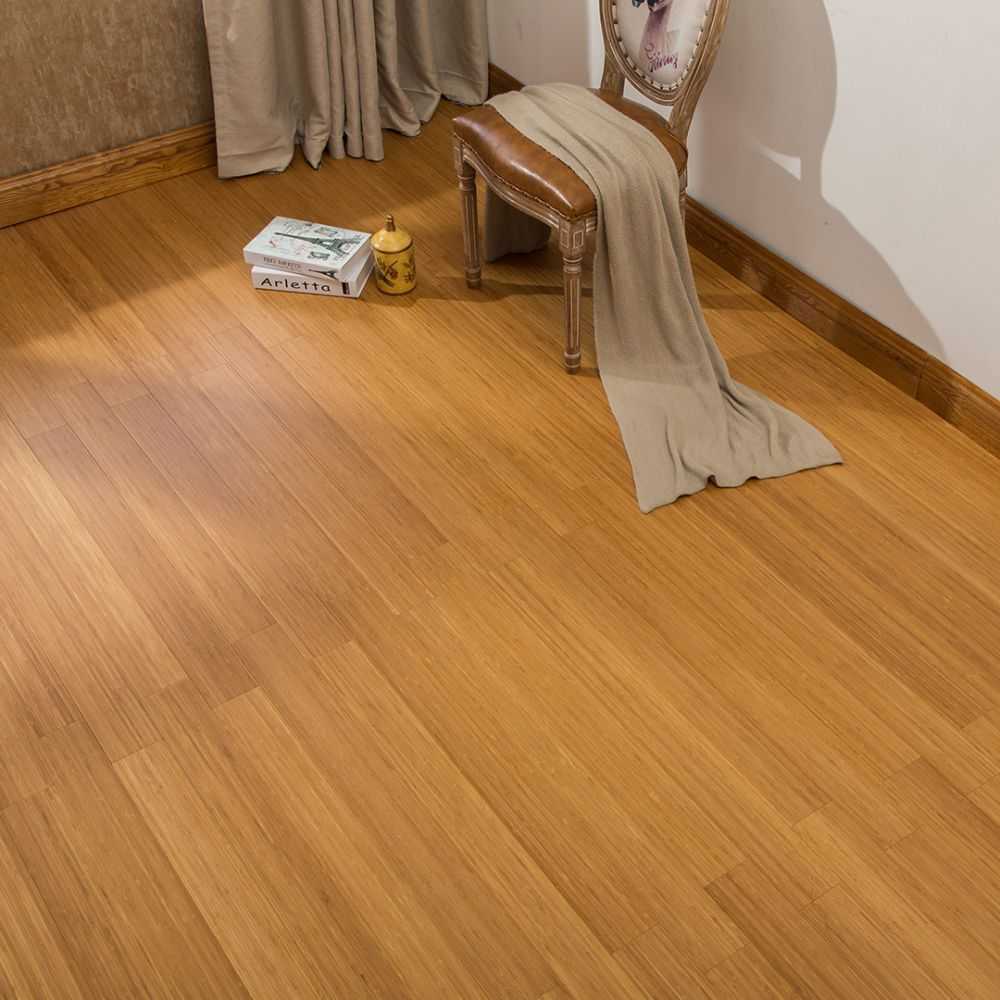
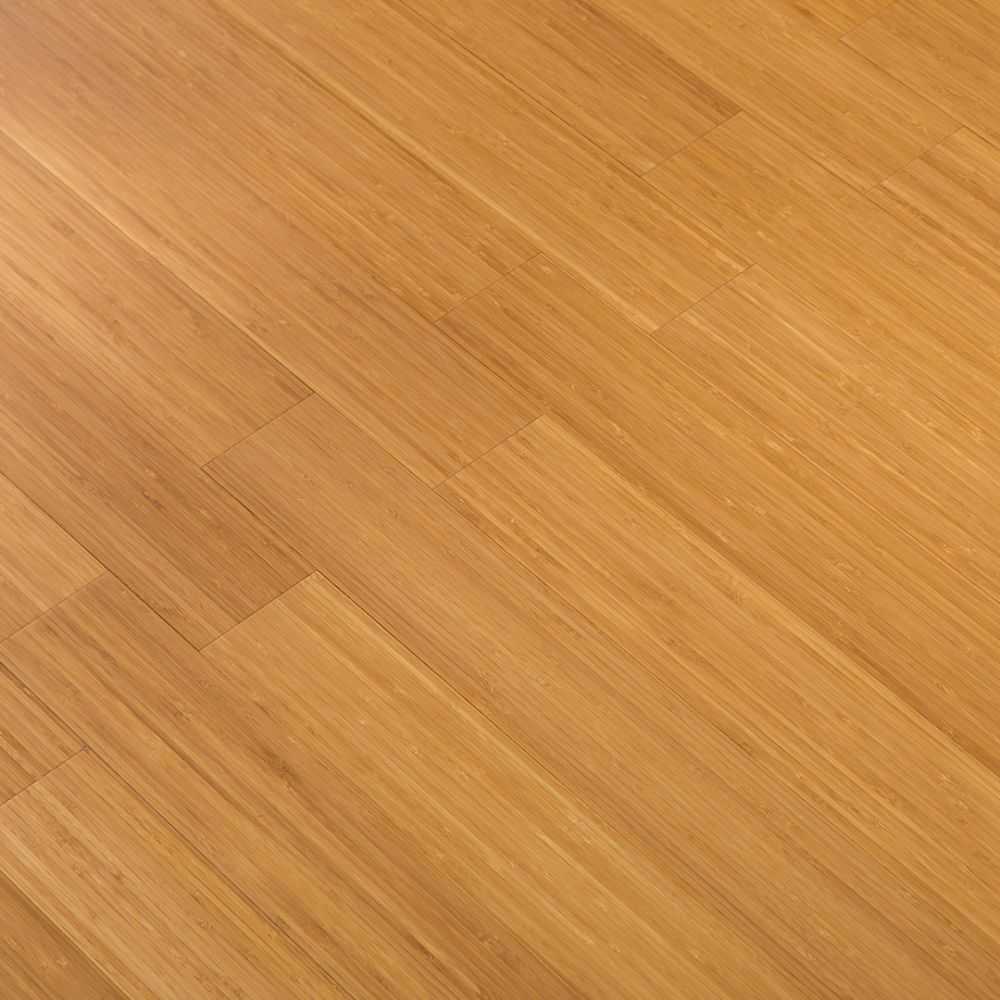
Strand woven bamboo flooring has moved into a prominent position among homeowners searching for a surface that balances durability, visual appeal, and long‑term value. Laminate flooring, once the go‑to option for budget‑friendly installations, still has a place in many homes, but the shift toward natural materials has changed the conversation. More people want floors that feel substantial underfoot, hold up to everyday wear, and contribute a sense of character to their living spaces. Strand woven bamboo naturally fits these expectations, which explains why it continues to gain preference over laminate.
Strand woven bamboo is manufactured by compressing shredded bamboo fibers under intense heat and pressure. This process yields a material far denser and harder than traditional bamboo flooring, creating a surface capable of handling heavy traffic with minimal denting. Laminate, by contrast, is made from fiberboard topped with a high‑resolution image layer and protective coating. Although laminate can mimic the appearance of real wood or bamboo, it lacks the structural integrity and tactile authenticity of a natural material.
A major advantage of strand woven bamboo lies in its impressive durability. Many homeowners choose it specifically for areas where impact resistance matters, such as entryways, kitchens, and family rooms. Its hardness rating is significantly higher than that of oak and many other hardwoods, giving homeowners assurance that the floor will hold up well under furniture, kids’ activities, and pets. Laminate does offer scratch resistance, but once the image layer is damaged, it cannot be sanded or refinished, leaving few options for repair.
The ability to refinish strand woven bamboo is an important factor that influences homeowner preference. High‑quality products can often be refinished multiple times, allowing the floor to be refreshed after years of wear. This extends the lifespan of the material and helps maintain its beauty. Laminate cannot be refinished at all; the moment surface wear becomes noticeable, replacement is often the only solution. For homeowners planning to stay in a home for many years, a floor that can adapt and recover over time is a major benefit.
Aesthetics also play a significant role in flooring decisions. While modern laminate has improved its visual realism, strand woven bamboo offers an authenticity that synthetic surfaces cannot replicate. The texture, grain variation, and depth of color in bamboo create a warm, organic appearance that suits contemporary interiors as well as more traditional spaces. Some homeowners appreciate that bamboo brings a calm, welcoming tone without feeling overly rustic. The consistency of strand woven manufacturing also allows for a uniform look across large spaces, making it a popular choice for open floor plans.
Another advantage often highlighted by homeowners is the sustainability profile of bamboo. Bamboo is a rapidly renewable grass that matures far faster than traditional hardwood trees. This quick growth cycle makes it a responsible material choice for those looking to reduce their environmental footprint. Strand woven bamboo maximizes the utility of the raw material by using fibers rather than solid strips, minimizing waste during production. Laminate, while more affordable, relies on fiberboard and synthetic resins, which do not offer the same renewable story. For buyers who care deeply about material origins, bamboo often stands out as the more responsible option.





 Australia
  Canada
  India
India  Singapore
  South Africa
  United Arab Emirates
  United Kingdom
  United States