

Expert Laparoscopic Surgeon in Ah...
- Kolkata
- 2026-05-08 13:52


Digestive problems are common in today’s fast-moving lifestyle. Occasional bloating, acidity, constipation, or stomach discomfort may seem normal, especially after unhealthy eating or stress. However, when these issues continue for weeks or months, they can become chronic digestive disorders that affect daily life and overall health.
Many people ignore early symptoms until the discomfort becomes severe. Patients often start searching for a gastroenterologist in surat or a trusted stomach hospital near me only after symptoms begin interfering with work, sleep, and eating habits.
Understanding why digestive issues become long-term problems is important for prevention and proper treatment.
Chronic digestive problems are conditions that continue for a long period or keep returning repeatedly. Unlike temporary stomach discomfort, chronic digestive disorders may require medical attention and lifestyle changes.
Common chronic digestive conditions include:
Acid reflux or GERD
Irritable bowel syndrome (IBS)
Chronic constipation
Gastritis
Fatty liver disease
Ulcers
Inflammatory bowel conditions
Many of these conditions develop slowly due to unhealthy habits, delayed treatment, or underlying medical issues.
Digestive disorders usually do not become severe overnight. Several lifestyle and health-related factors gradually damage the digestive system over time.
One of the biggest reasons digestive issues become chronic is ignoring the warning signs.
Common symptoms people often ignore include:
Frequent acidity
Stomach bloating
Gas after meals
Irregular bowel movements
Mild abdominal pain
Loss of appetite
When these symptoms are untreated, inflammation inside the digestive tract may continue worsening.
The digestive system depends heavily on regular and balanced eating habits. Unhealthy food choices can irritate the stomach and intestines repeatedly.
Habits that commonly affect digestion include:
Skipping meals
Eating excessive spicy or oily food
Late-night eating
Consuming processed foods regularly
Low fiber intake
Drinking less water
Over time, these habits can lead to chronic acidity, constipation, and digestive inflammation.
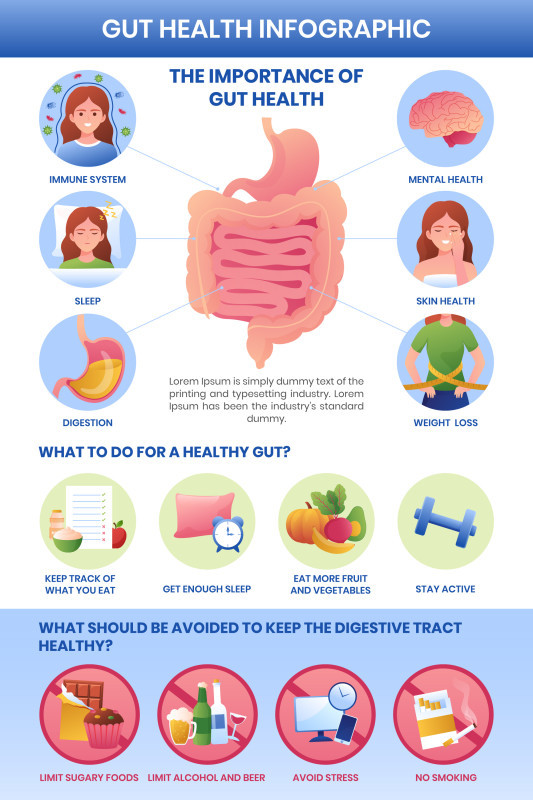
Mental stress directly affects the digestive system. The gut and brain are closely connected, which is why emotional stress often causes stomach discomfort.
Stress-related digestive symptoms may include:
Acid reflux
Loss of appetite
Bloating
Irritable bowel syndrome
Nausea
When stress continues for long periods, digestive problems may become more frequent and severe.
Many people self-medicate with antacids or home remedies instead of seeking proper medical care. While temporary relief may occur, the underlying condition often remains untreated.
Conditions such as ulcers, gallbladder disease, liver disorders, or gastrointestinal infections can worsen if diagnosis is delayed.
Patients experiencing ongoing digestive discomfort often consult a gastroenterologist near surat for detailed evaluation and treatment planning.
The liver is one of the most important organs involved in digestion and metabolism. Liver dysfunction can affect digestion, appetite, and nutrient processing.
Common liver-related digestive symptoms include:
Fatigue after eating
Bloating
Loss of appetite
Nausea
Abdominal heaviness
In some cases, consultation with a dr liver specialist becomes necessary to identify underlying liver conditions affecting digestion.


 Australia
  Canada
  India
India  Singapore
  South Africa
  United Arab Emirates
  United Kingdom
  United States